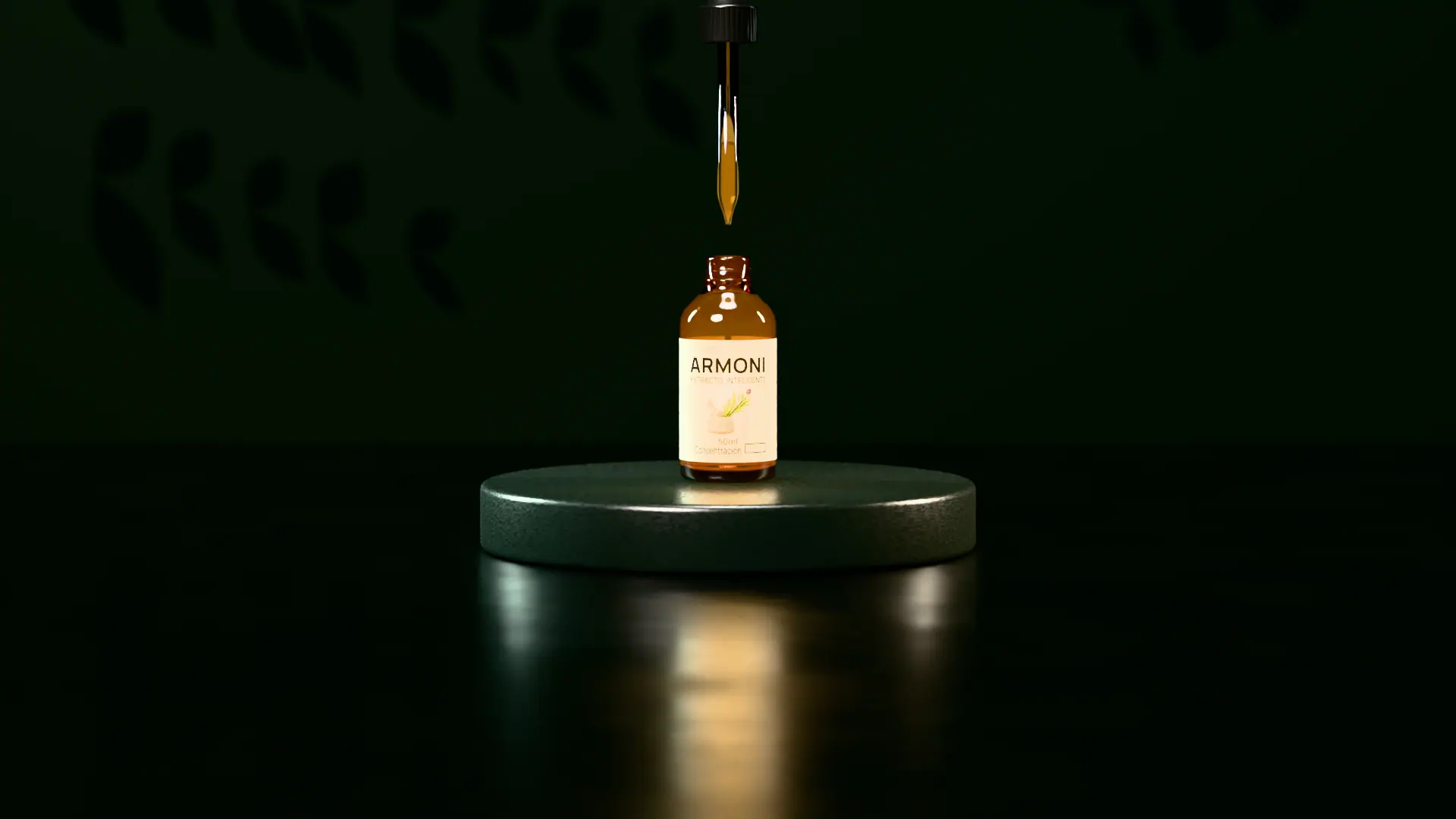
Armoni. Intelligent Extracts.

What it is

Customized from molecules of fifteen base plants, in pharmaceutical-grade olive oil. Every bottle is made specific to you based on your intake form.

What Armoni is

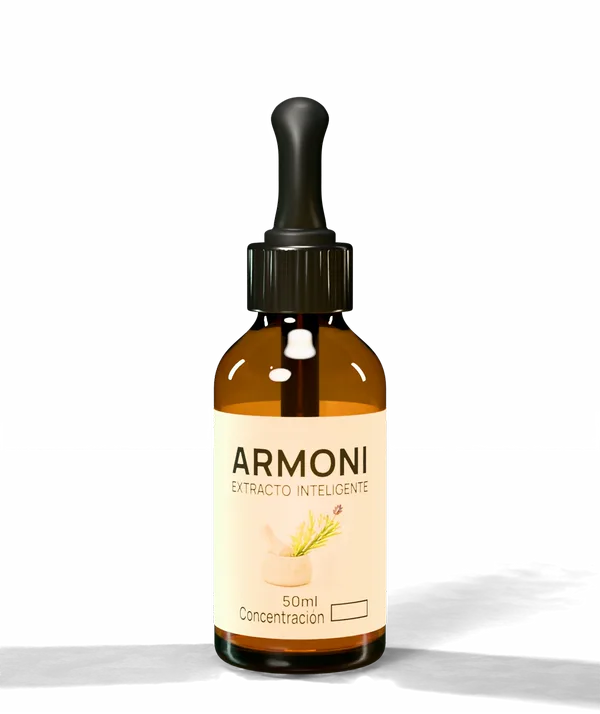
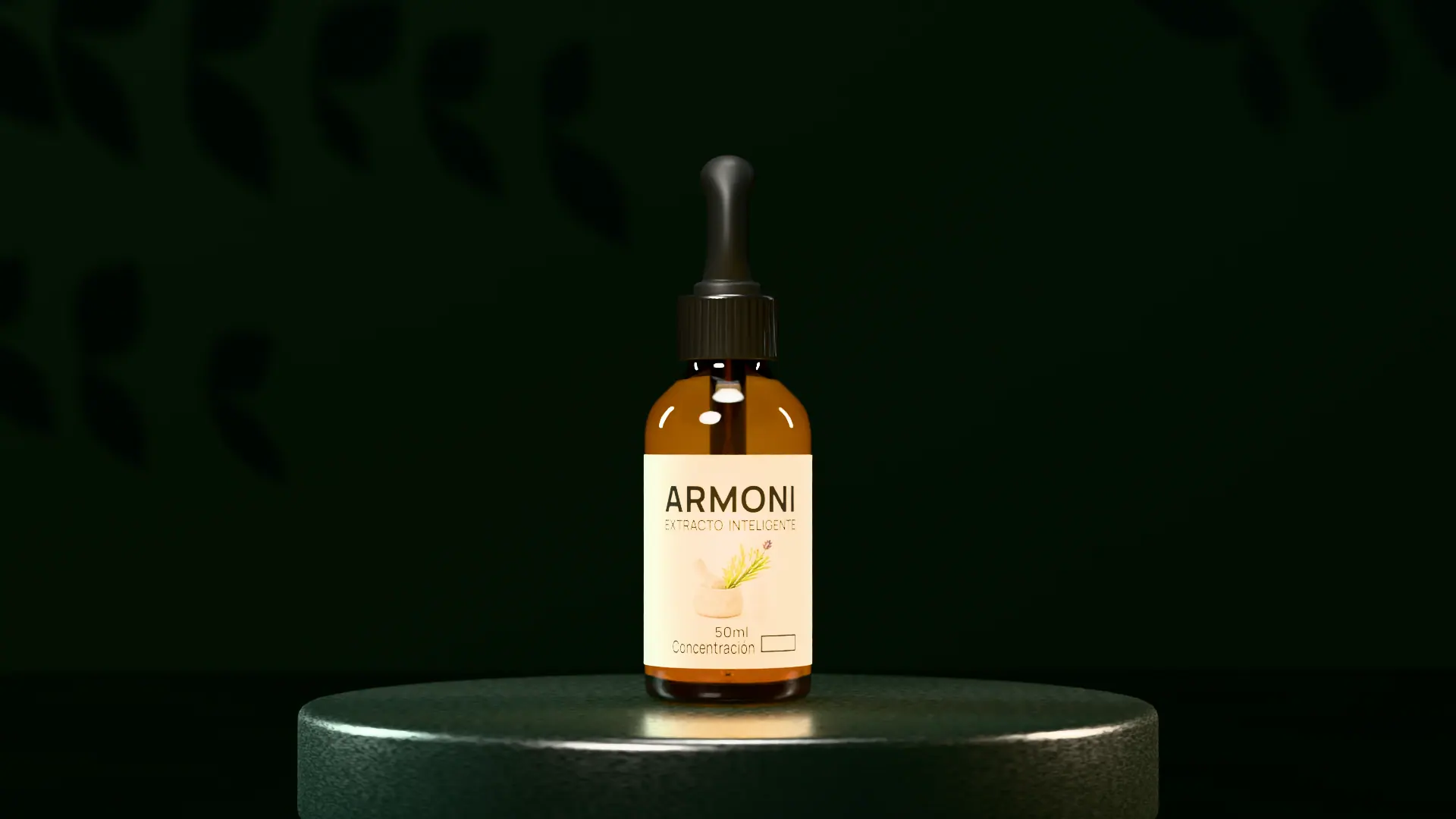
Armoni is a tailor-made intelligent extract. We draw oil-based extracts of specific molecules from a base of fifteen plants and carry them in pharmaceutical-grade olive oil. Through your intake form and our follow-up, each formula is custom-made to each person, and more plant molecules can be included for each individual.

The fifteen base plants

Drag to turn it
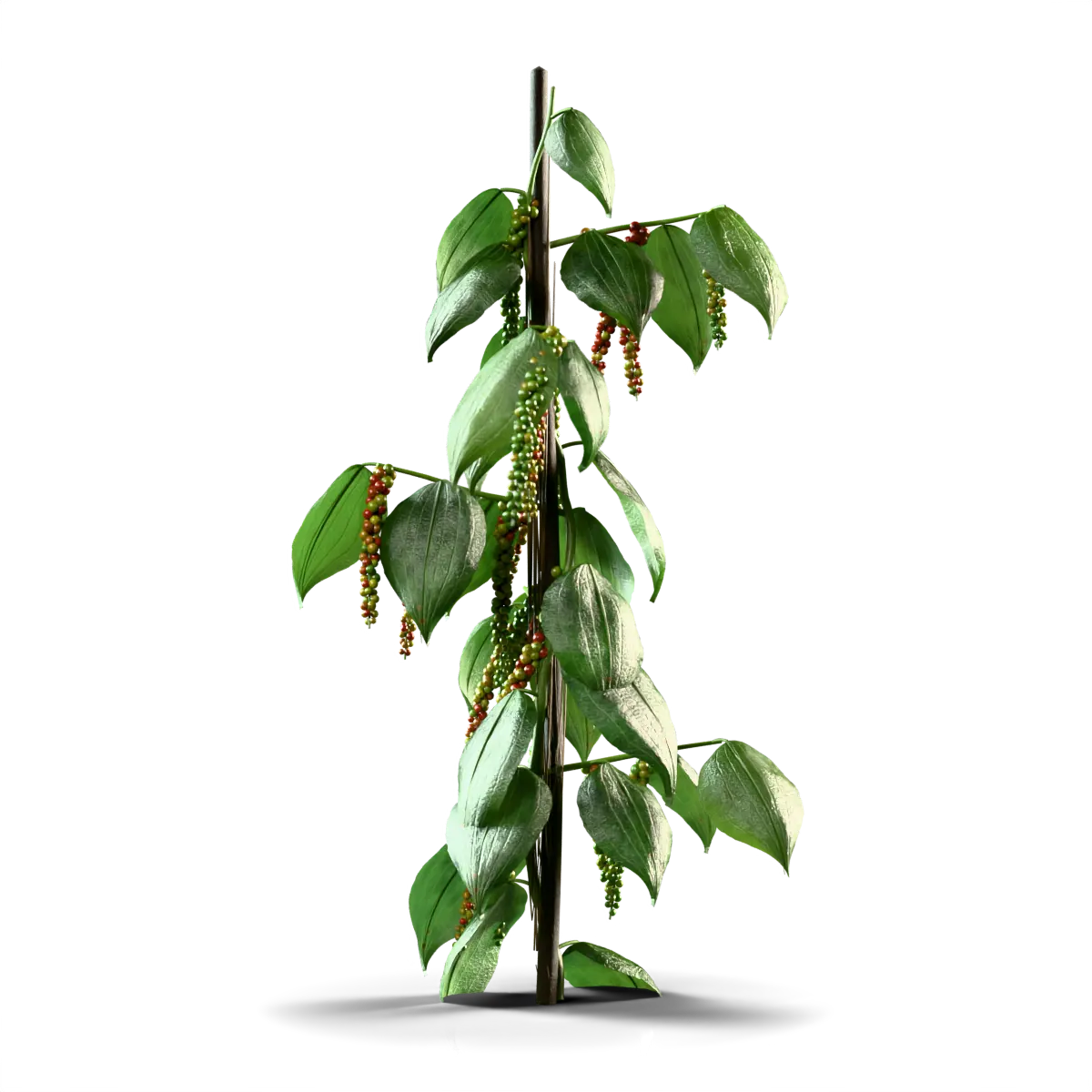
FIG. 01 Plate 01 of 15

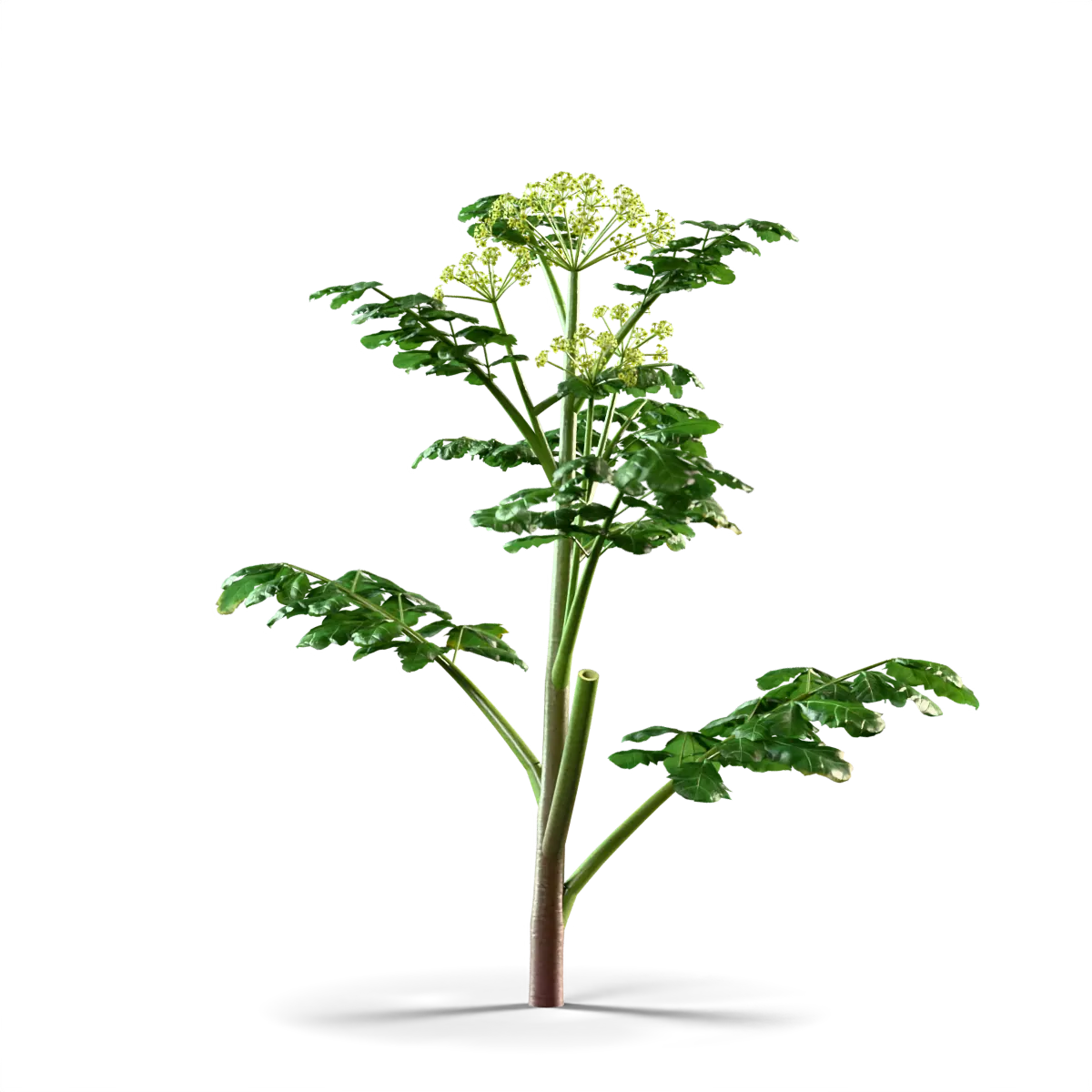
Piper nigrum

EnglishBlack pepper EspañolPimienta negra

The dried fruit of a climbing vine from India’s Malabar coast, and for centuries the most traded spice in the world. Its bite comes from piperine. Ayurvedic tradition often pairs it with other herbs, and piperine is studied for how it changes the absorption of other compounds.
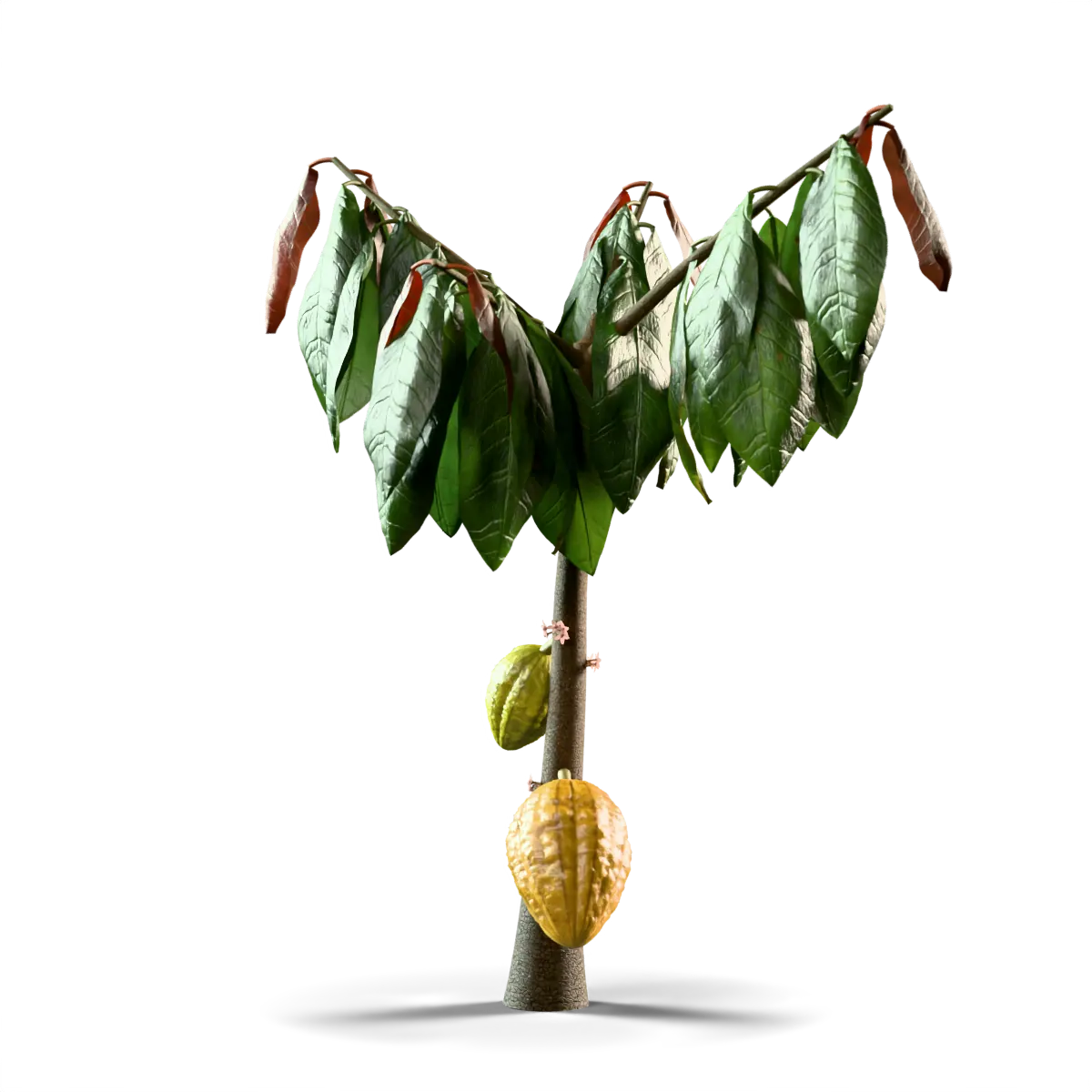
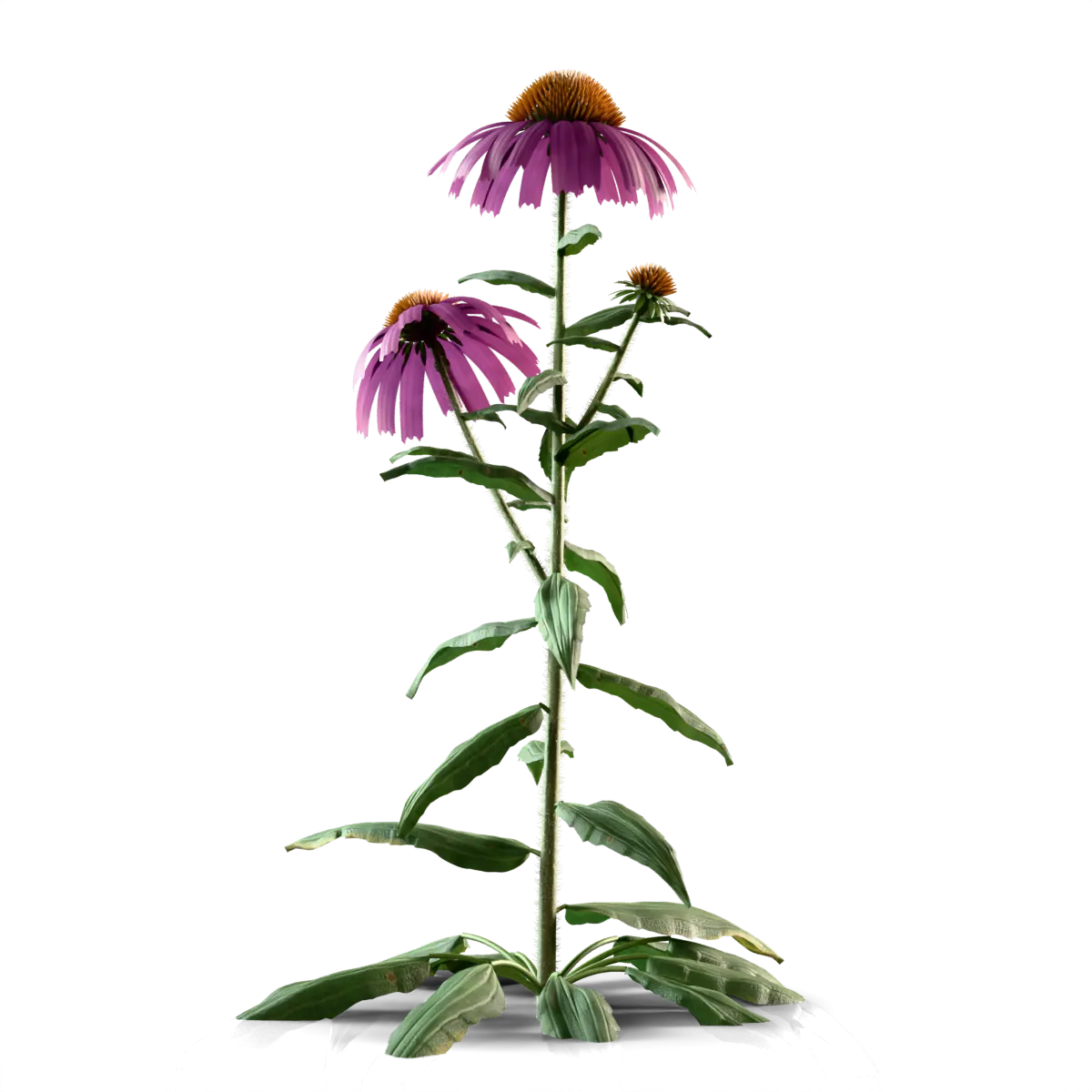
FIG. 02 Plate 02 of 15

Theobroma cacao

EnglishCacao EspañolCacao

The seeds of a small tree from the upper Amazon, prized by the Maya and the Aztecs as a ceremonial drink. Cacao is rich in flavanols and contains theobromine, a gentle relative of caffeine, and both are widely researched for their effects on circulation and mood.

FIG. 03 Plate 03 of 15

Echinacea spp.

EnglishEchinacea EspañolEquinácea

A purple coneflower of the North American prairies, used for generations by the peoples of the Great Plains. Its roots and flowers hold alkylamides and polysaccharides, among the most researched plant compounds in work on the immune system.

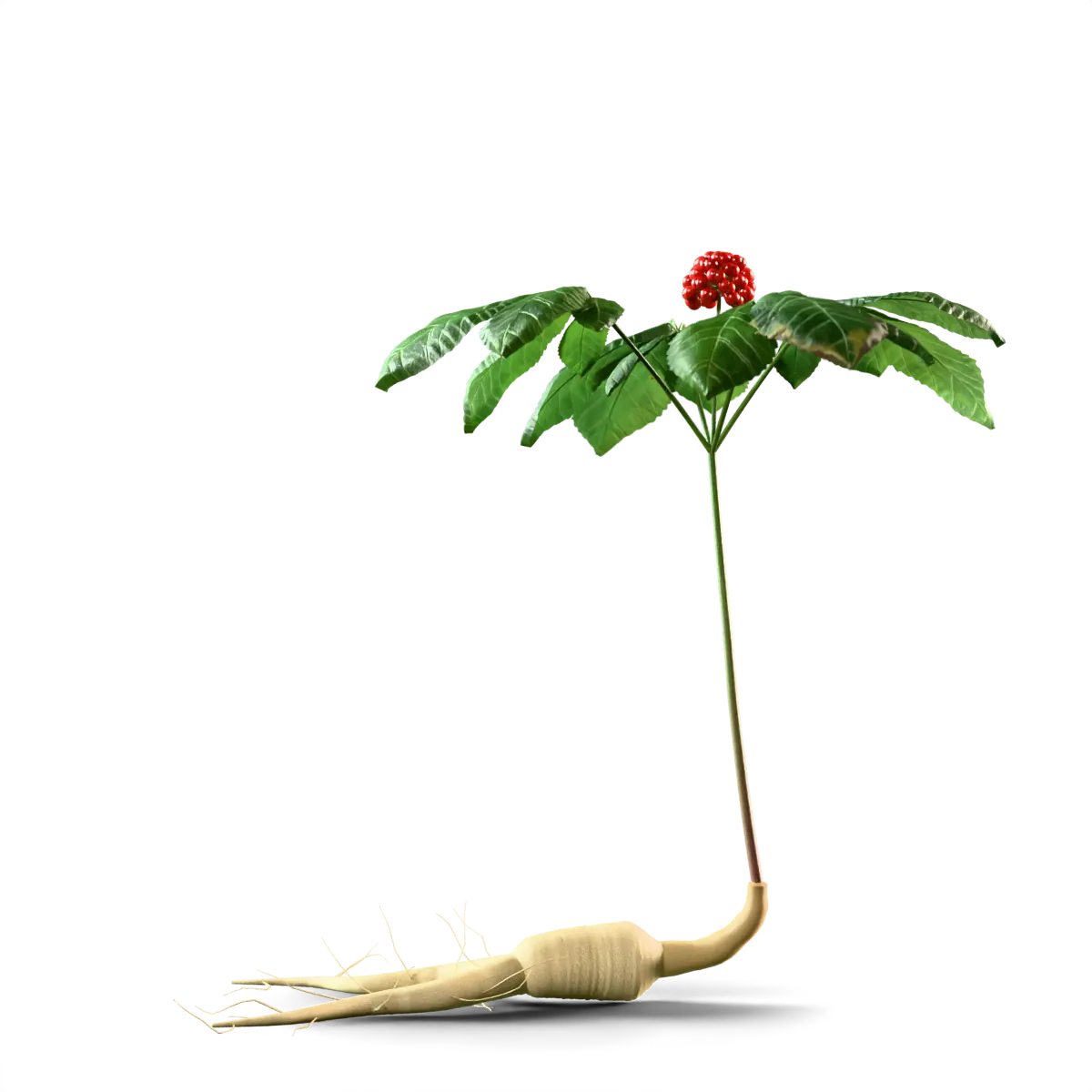
FIG. 04 Plate 04 of 15

Panax ginseng

EnglishGinseng EspañolGinseng

A slow-growing root of the mountain forests of Korea and northeast China, valued in traditional Chinese medicine for some two thousand years as a tonic for energy and stamina. Its ginsenosides are the subject of a large body of research.

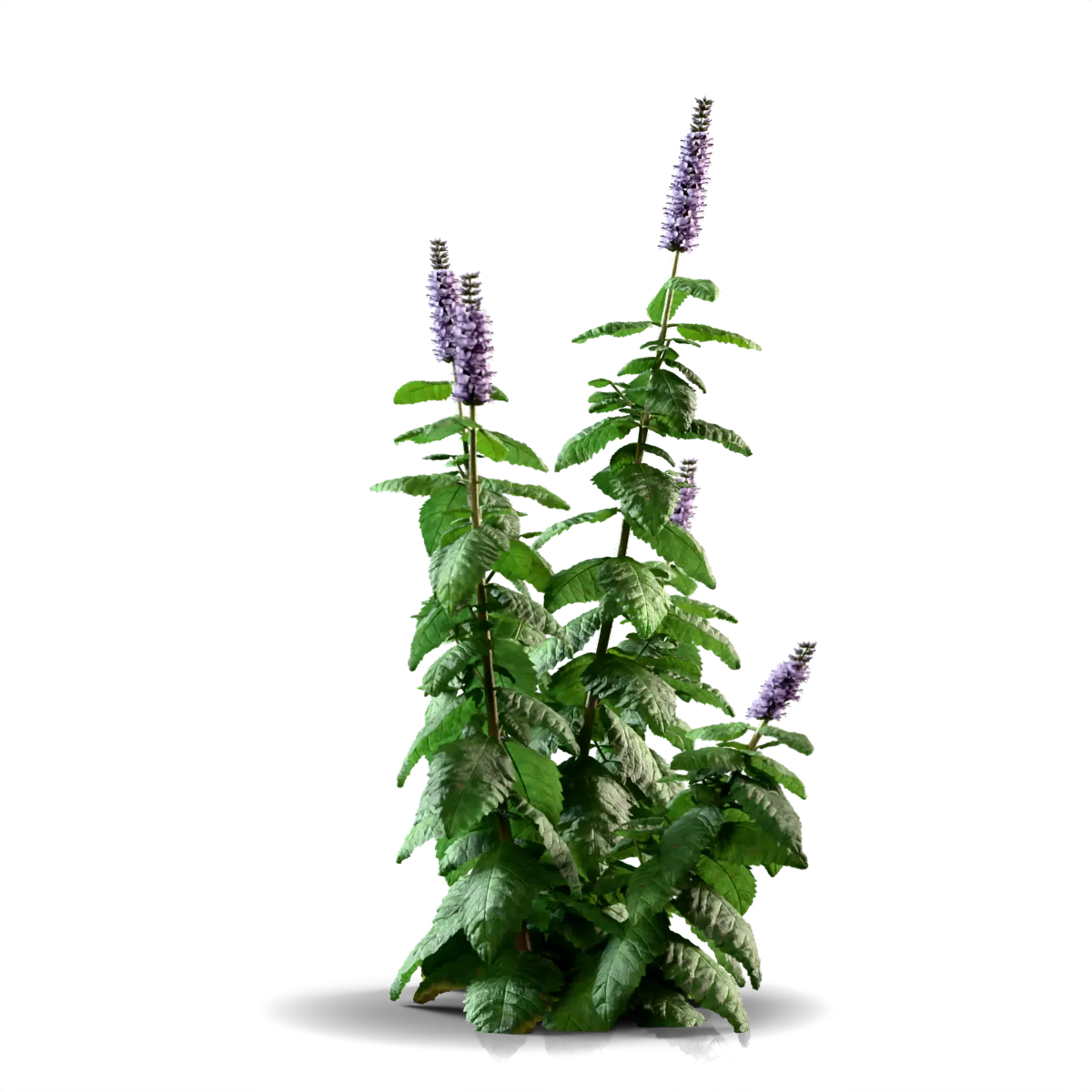
FIG. 05 Plate 05 of 15

Mentha

EnglishMint EspañolMenta

A fragrant herb grown around the Mediterranean since antiquity. Its cool taste comes from menthol, and in many cultures mint has long been taken after meals to settle the stomach and freshen the breath.

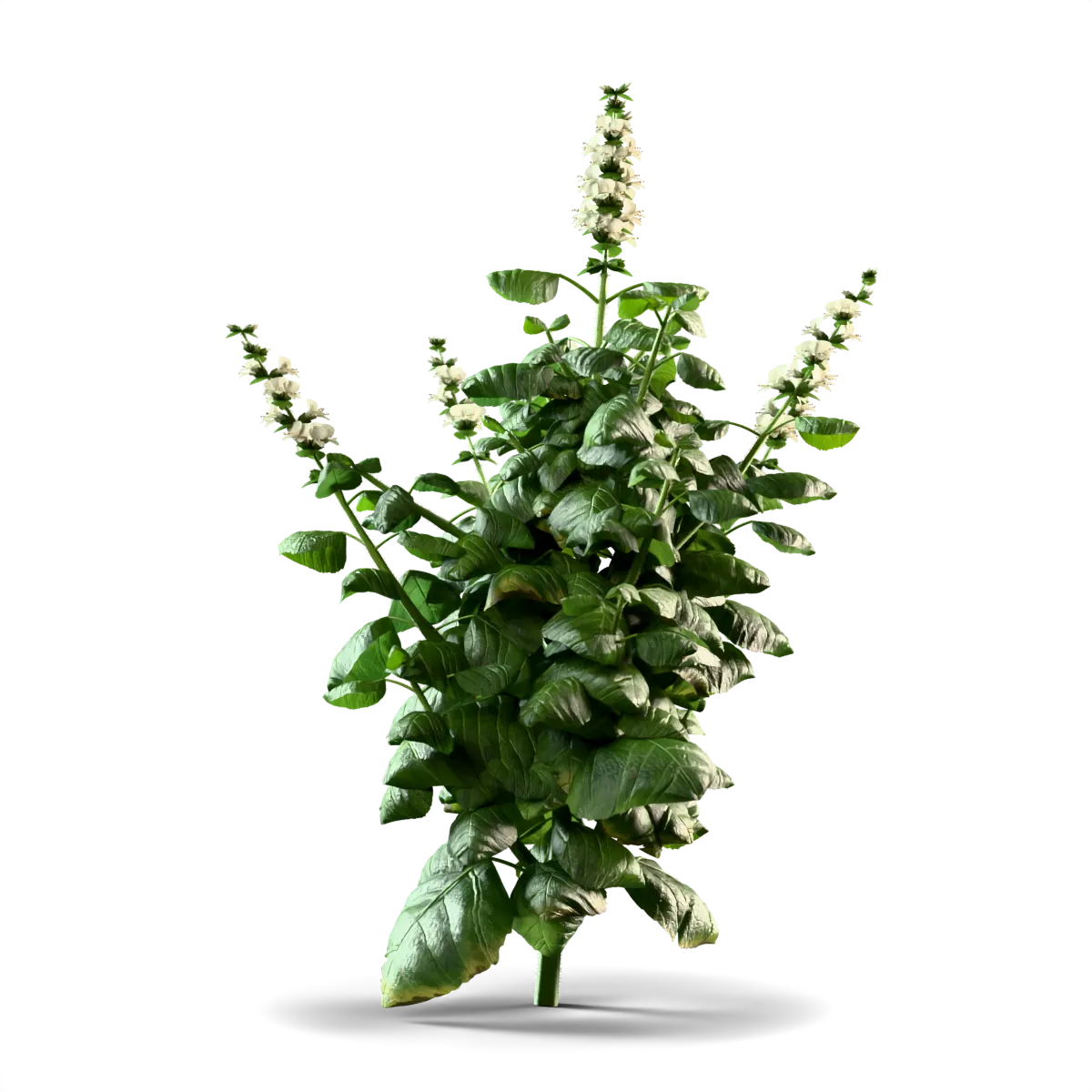
FIG. 06 Plate 06 of 15

Ocimum basilicum

EnglishBasil EspañolAlbahaca

A warm-climate herb from tropical Asia, at home in kitchens from Italy to Thailand. Its scent comes from aromatic oils such as linalool and eugenol, and traditional medicine has long used its leaves in calming teas.

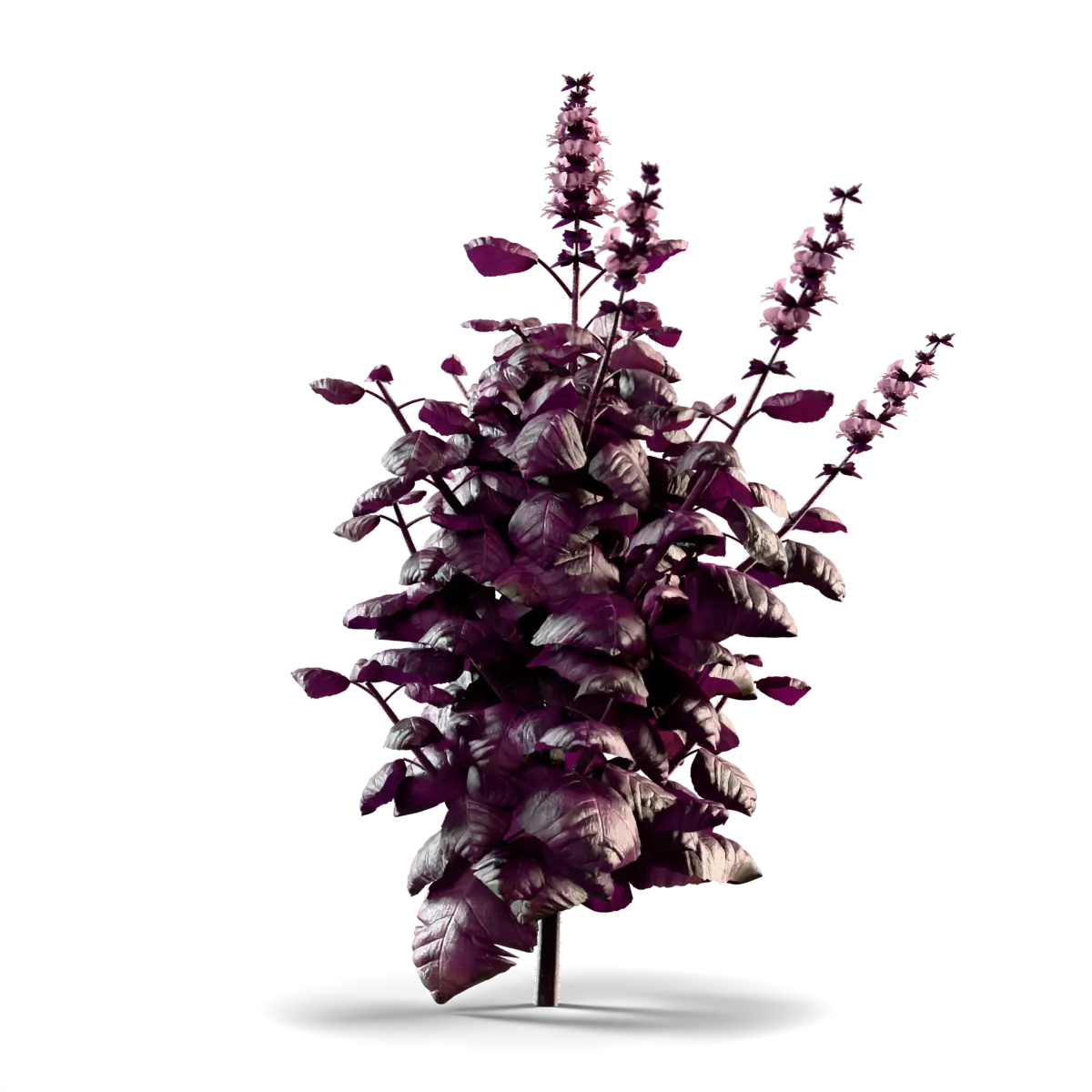
FIG. 07 Plate 07 of 15

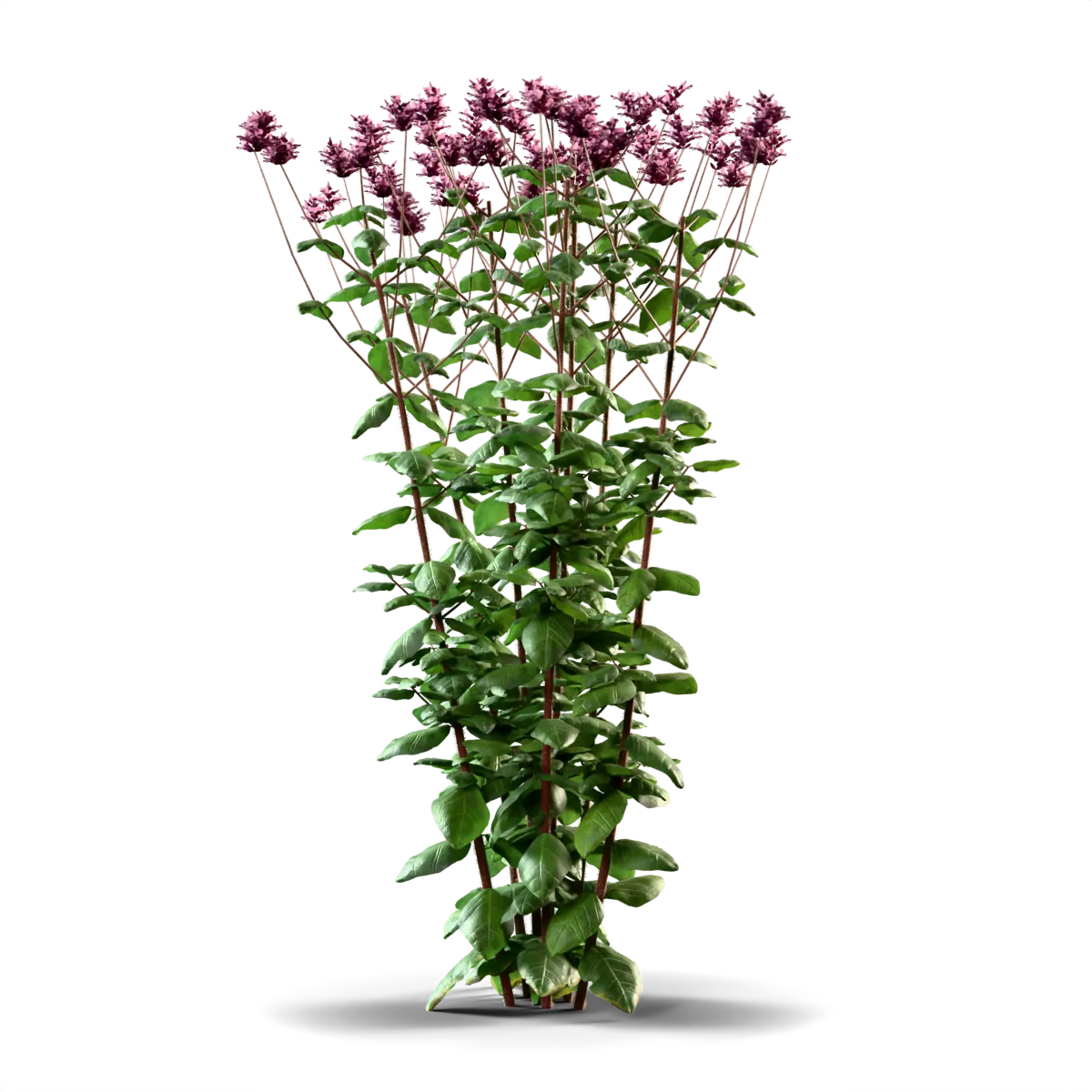
Ocimum basilicum ‘Purpurascens’

EnglishPurple basil EspañolAlbahaca morada

A purple-leaved form of sweet basil. Its color comes from anthocyanins, the same pigments that color blueberries and red cabbage, carried alongside basil’s familiar aromatic oils.

FIG. 08 Plate 08 of 15

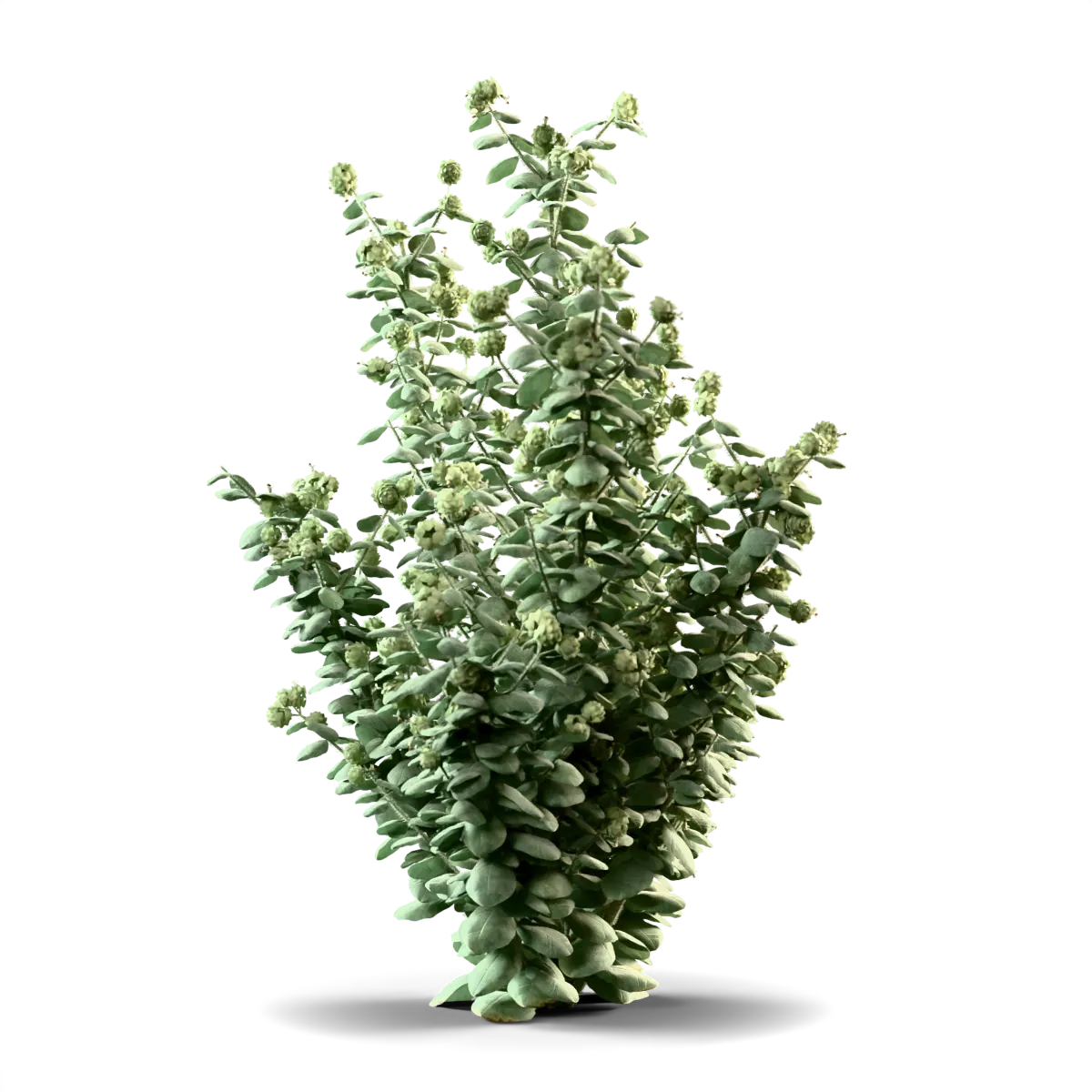
Origanum vulgare

EnglishOregano EspañolOrégano

A wild herb of Mediterranean hillsides whose Greek name means “joy of the mountain”. It is rich in carvacrol and thymol, aromatic compounds researched, among other things, for how they act on bacteria.

FIG. 09 Plate 09 of 15

Origanum majorana

EnglishMarjoram EspañolMejorana

A sweeter, gentler cousin of oregano, grown in the Mediterranean and the Middle East since ancient times. Greek and Roman couples wore it in wedding crowns as a sign of happiness, and it has long been taken as a soothing tea.

FIG. 10 Plate 10 of 15

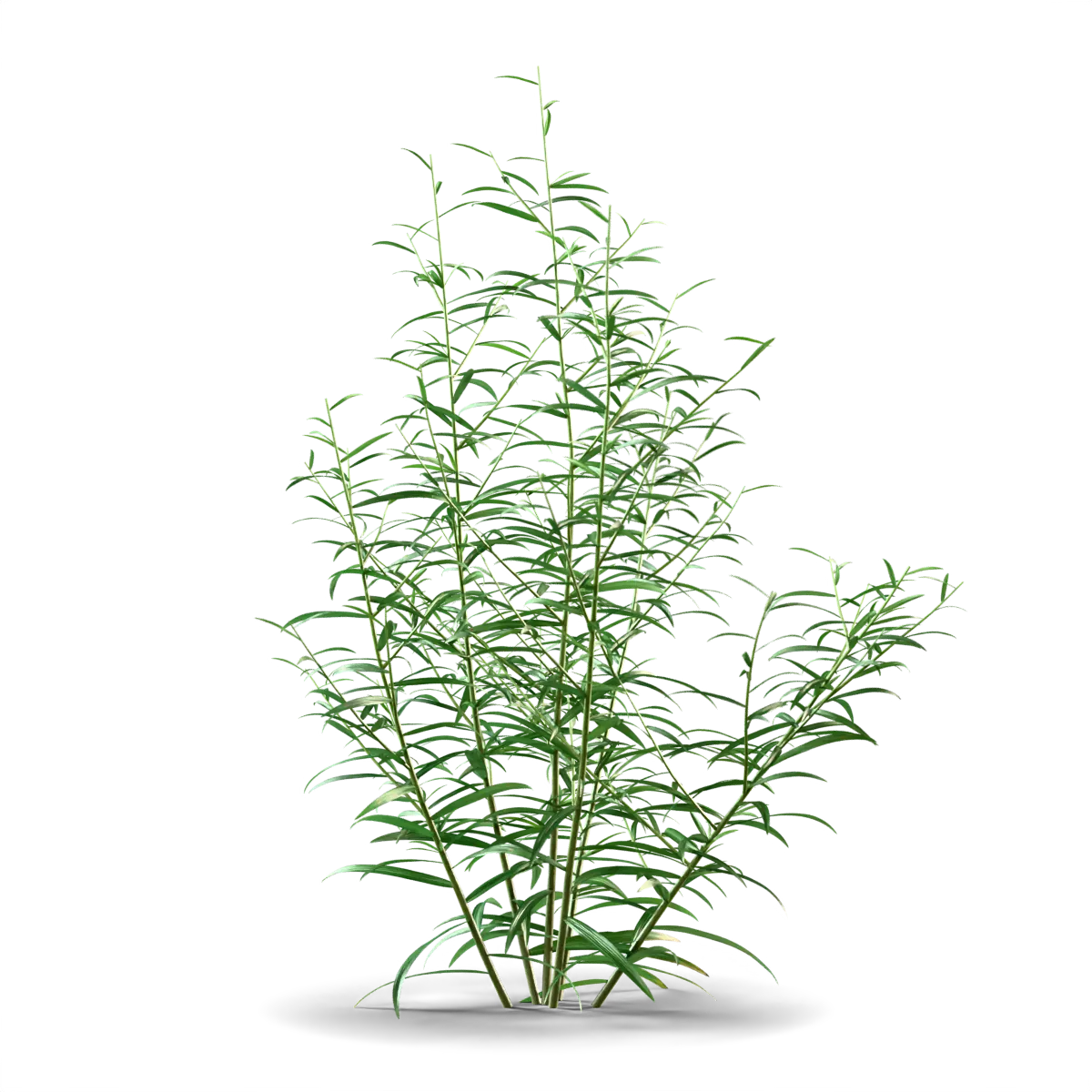
Artemisia dracunculus

EnglishTarragon EspañolEstragón

A slender herb from the steppes of Central Asia, central to French cooking. Its anise-like flavor comes from estragole, and folk tradition used it before meals to wake the appetite.

FIG. 11 Plate 11 of 15

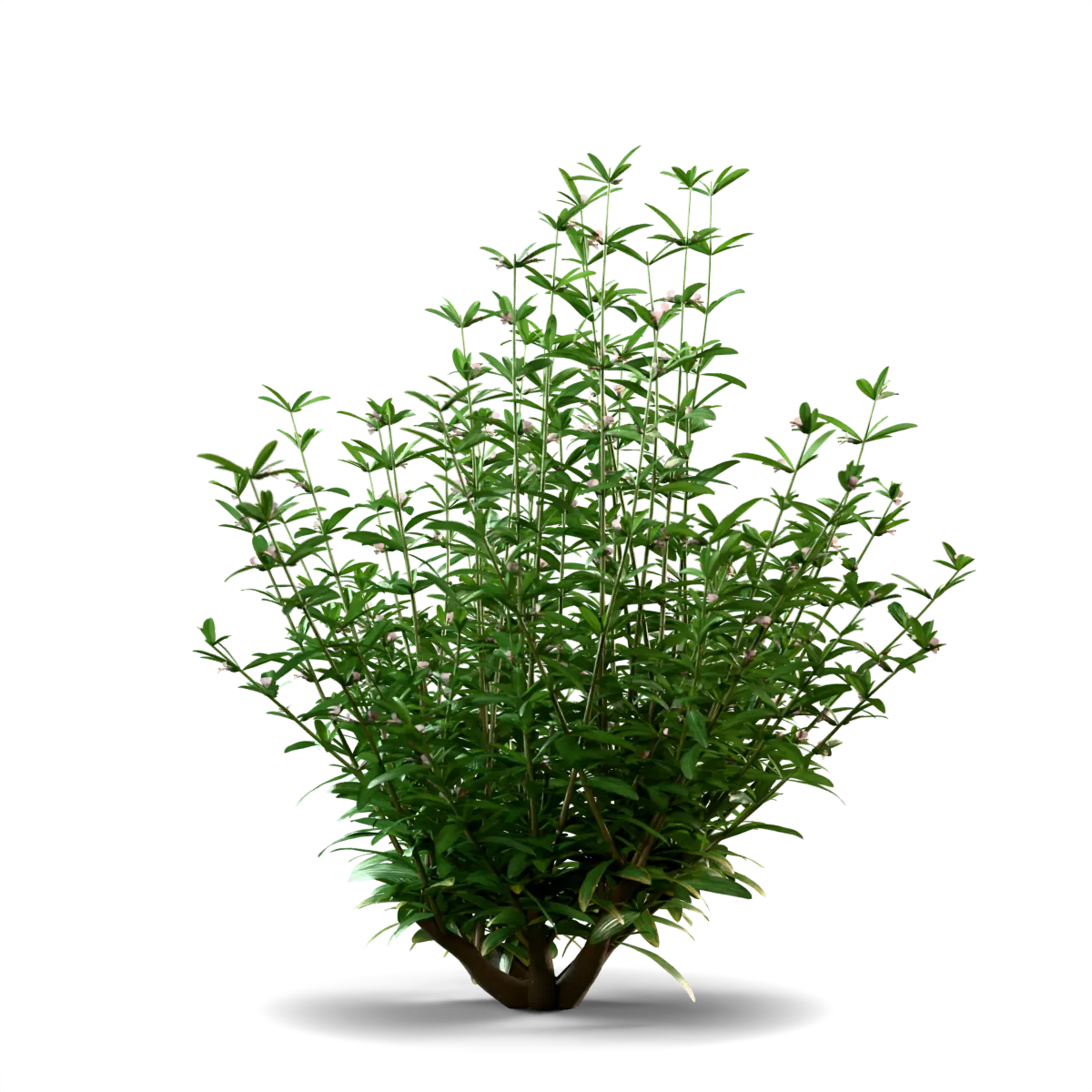
Satureja

EnglishSavory EspañolAjedrea

A peppery herb of the Mediterranean that the Romans used as a seasoning. Like thyme and oregano it contains carvacrol, and it is traditionally added to beans to make them easier to digest.

FIG. 12 Plate 12 of 15

Levisticum officinale

EnglishLovage EspañolLevístico

A tall, celery-scented herb grown in European monastery gardens since the Middle Ages. Its roots and leaves contain aromatic phthalides, and traditional European herbalism took it as a warming digestive.

FIG. 13 Plate 13 of 15

Thymus serpyllum

EnglishCreeping thyme EspañolSerpol (tomillo rastrero)

Wild thyme that creeps across the rocky hillsides of Europe. It is rich in thymol, and folk tradition has made it into a warm tea for the cold months for centuries.

FIG. 14 Plate 14 of 15

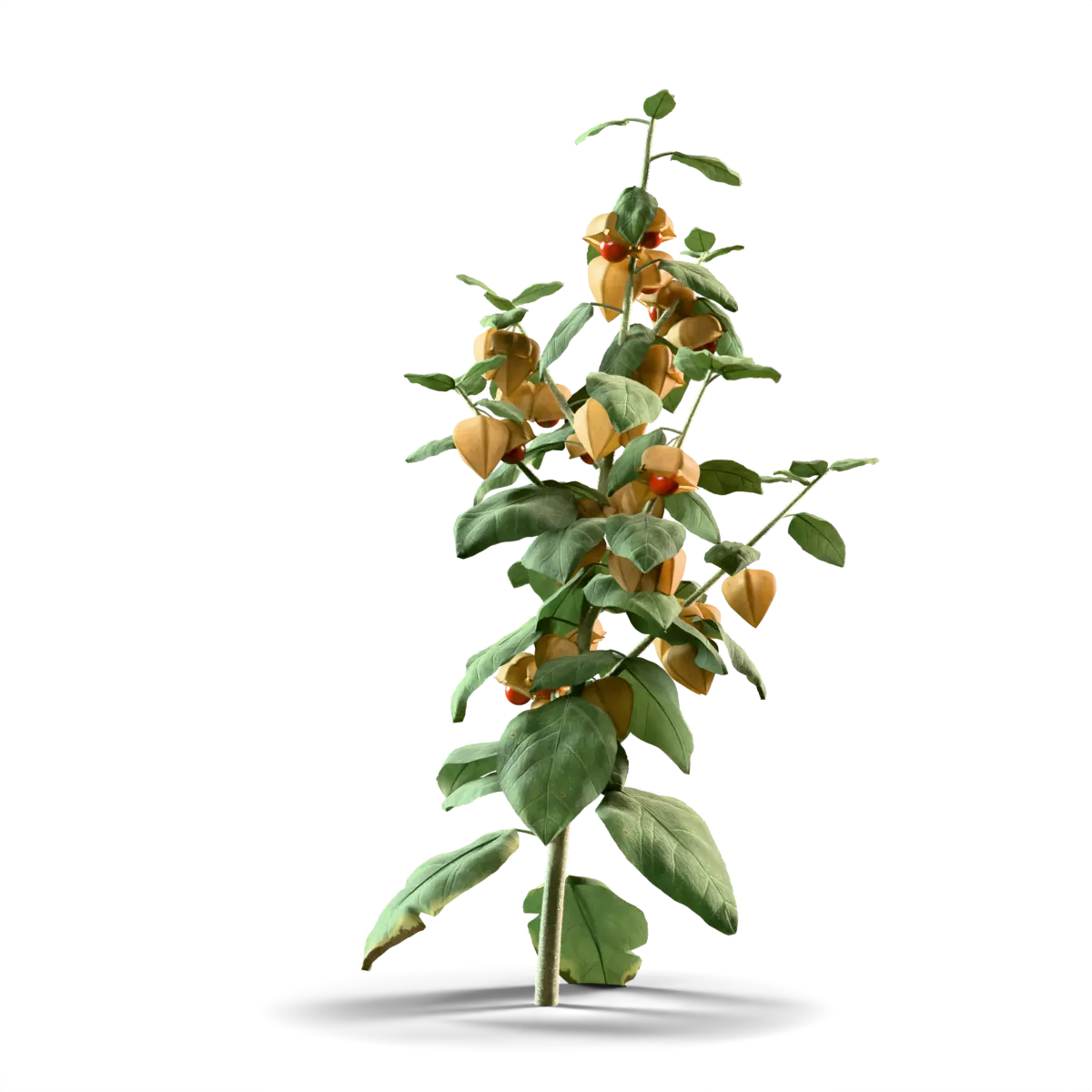
Withania somnifera

EnglishAshwagandha EspañolAshwagandha

A small shrub of the nightshade family from India and North Africa, and one of the most important herbs of Ayurveda, where its root is a rasayana, a restorative tonic. Its withanolides are researched for their effects on stress and sleep.

FIG. 15 Plate 15 of 15

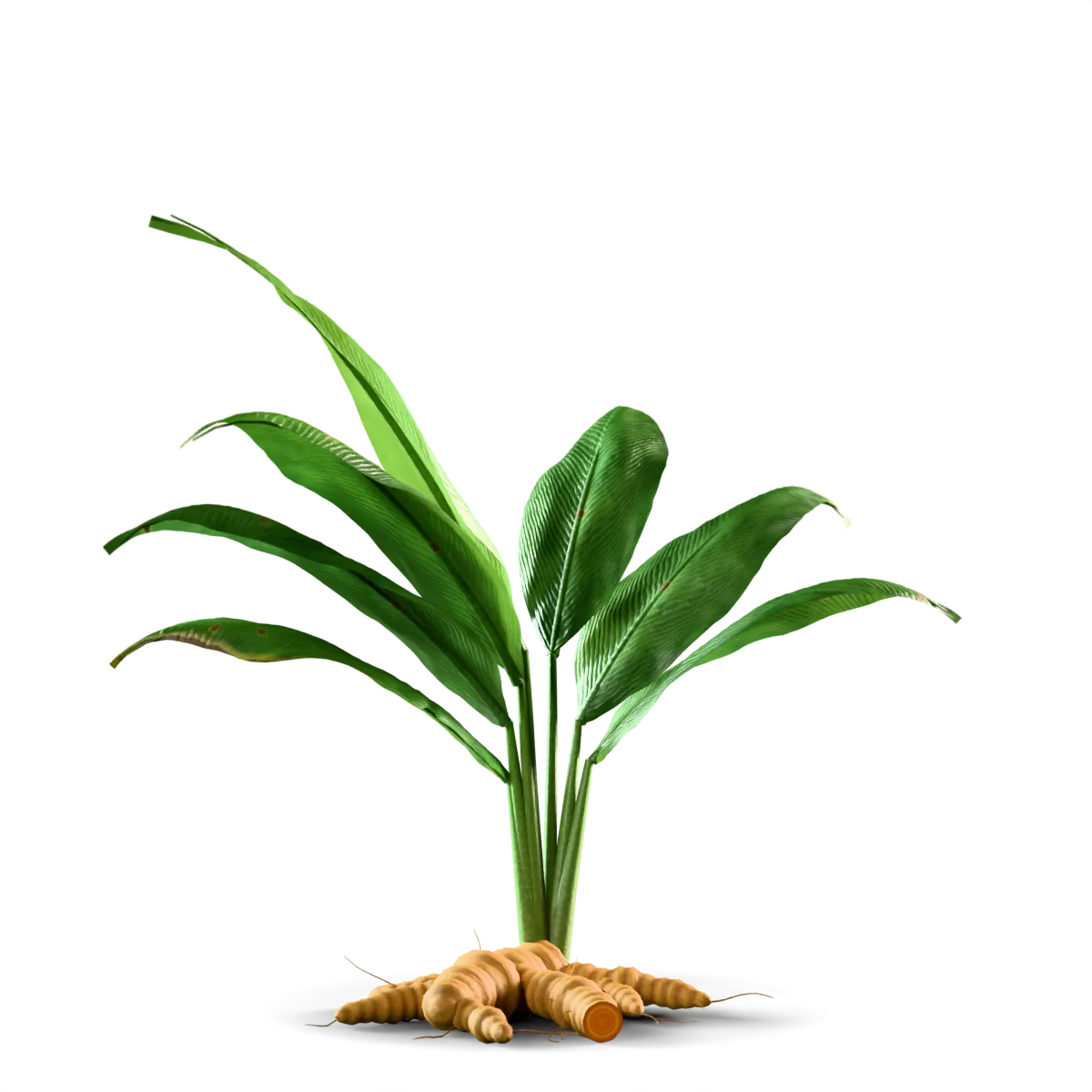
Curcuma longa

EnglishTurmeric EspañolCúrcuma

The golden root of a ginger relative from South Asia, used for thousands of years in cooking, dyeing and Ayurvedic tradition. Its color comes from curcumin, one of the most researched plant compounds, above all for its role in inflammation.

The other ten base plants

Open one to read about it

Plus plants chosen for each person’s formula.

Plus plants chosen for each person’s formula.

The carrier

Plant molecules are carried via olive oil.

The extracts of every plant are in pharmaceutical-grade olive oil and are taken as drops under the tongue.

How each bottle is made

Programming molecules.

Behind every formula are: your intake form and our follow-up, advanced intelligent calculation using our in-house AI to choose the molecules from each plant for your formula, and the formulation lab where the exact concentration of your extract is made.

  1. 01HarvestOur non-GMO plants are grown in volcanic ash and harvested for their oil.
  2. 02Oil extractionSpecific molecular compounds are first extracted and then isolated and drawn into their unique high-concentrate oil.
  3. 03Extract programmingWith our trained in-house AI we calculate the concentration of each extract for each person’s formula.
  4. 04Customized extractThe extracts are blended into one formula and carried in olive oil.
  5. 05ReadyWe bottle the Armoni oil, serialize it so every bottle is traced with your usage, and ship it to your address anywhere we operate in the world.
How to take it

Armoni is taken under the tongue.

Armoni is taken as drops under the tongue, in the amount set for you. Specific instructions come with every bottle.

Write to us to learn more!

info@armoni.health

Armoni LLC

Also from Armoni

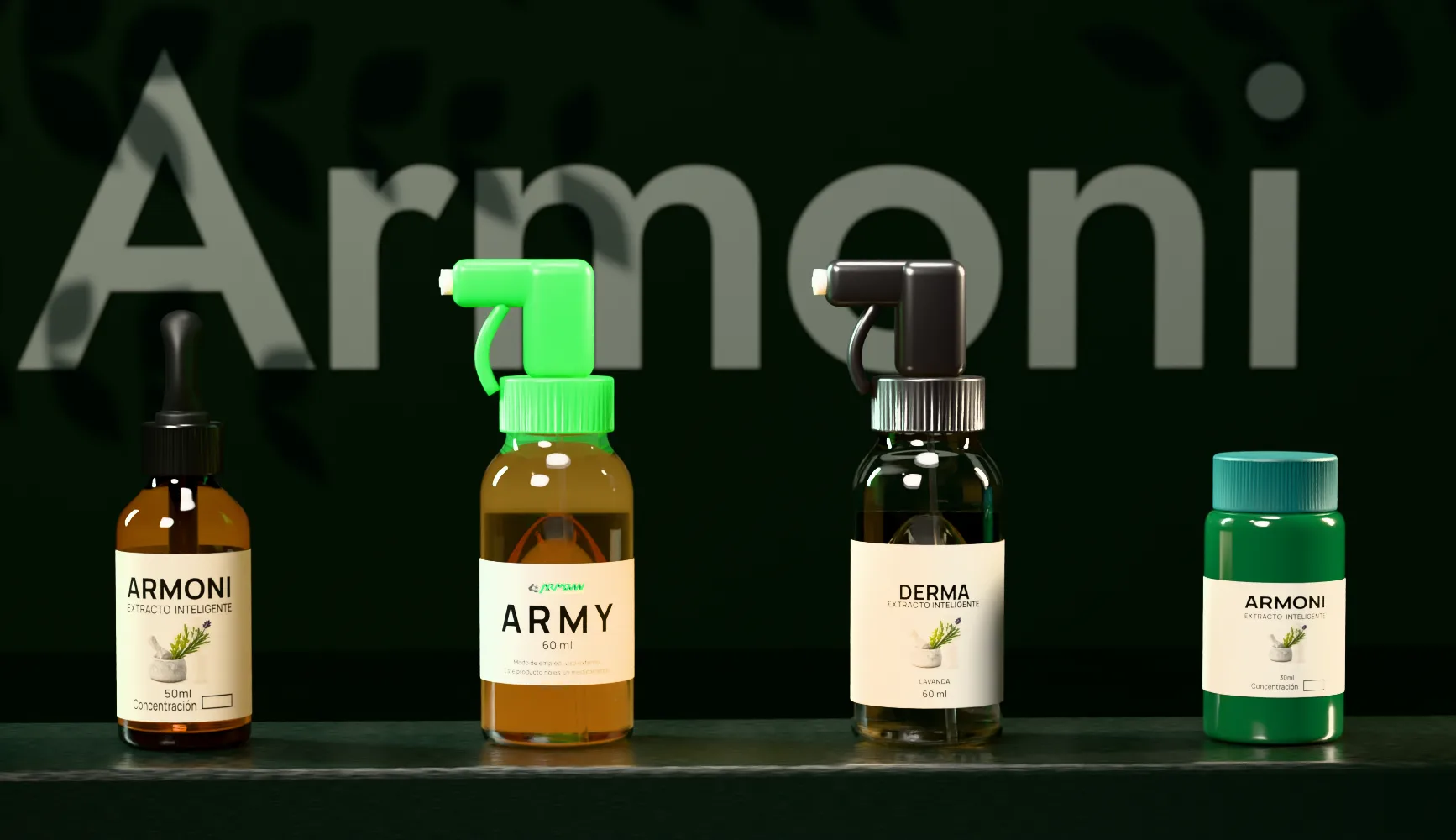
Three more, for the skin.

  • Armoni

    Botanical oil extract

    Fifteen base plants in pharmaceutical-grade olive oil, custom-made for each person.

    Taken as drops under the tongue.

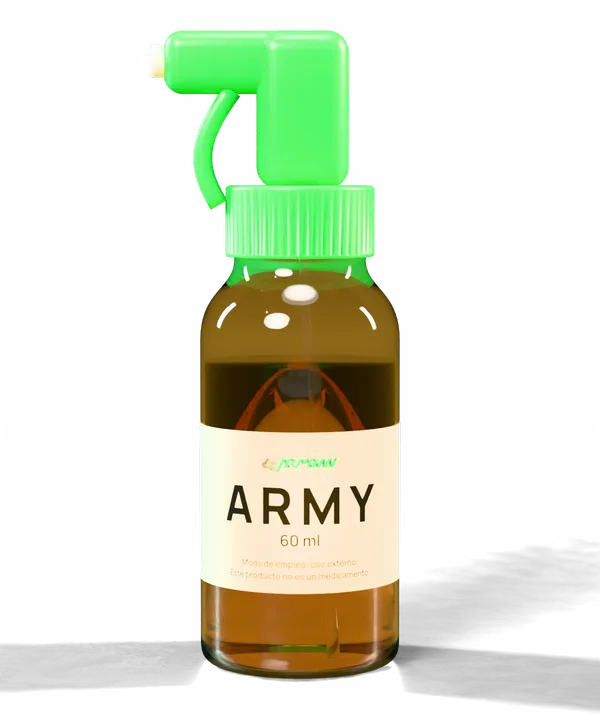
  • Army

    Topical spray

    Arnica, sage, tepezcohuite and turmeric extracts in 70% cane alcohol.

    For external use only.

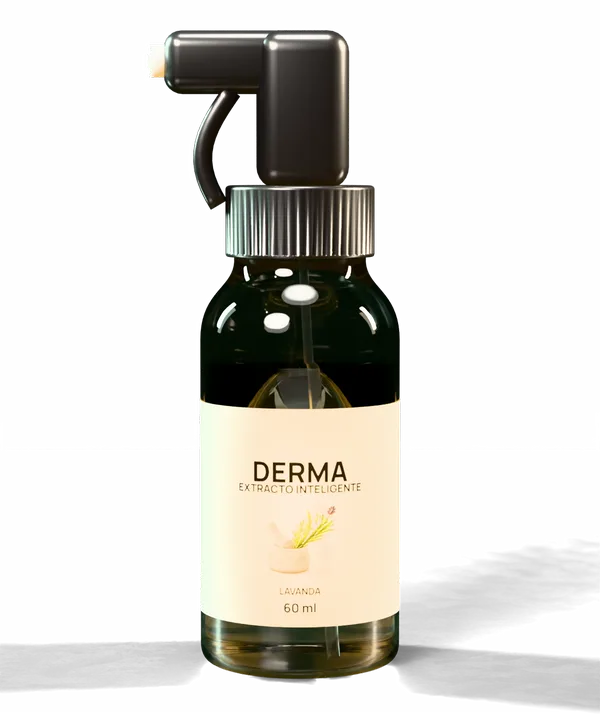
  • Derma

    Topical spray

    Arnica and lavender extracts in 70% cane alcohol.

    For external use only.

  • Armoni Cream

    Topical cream

    Armoni’s fifteen base plants, emulsified into a cream for the skin.

    For external use only.

Write to us

Armoni · Intelligent Extracts

info@armoni.health Armoni, extracto inteligente